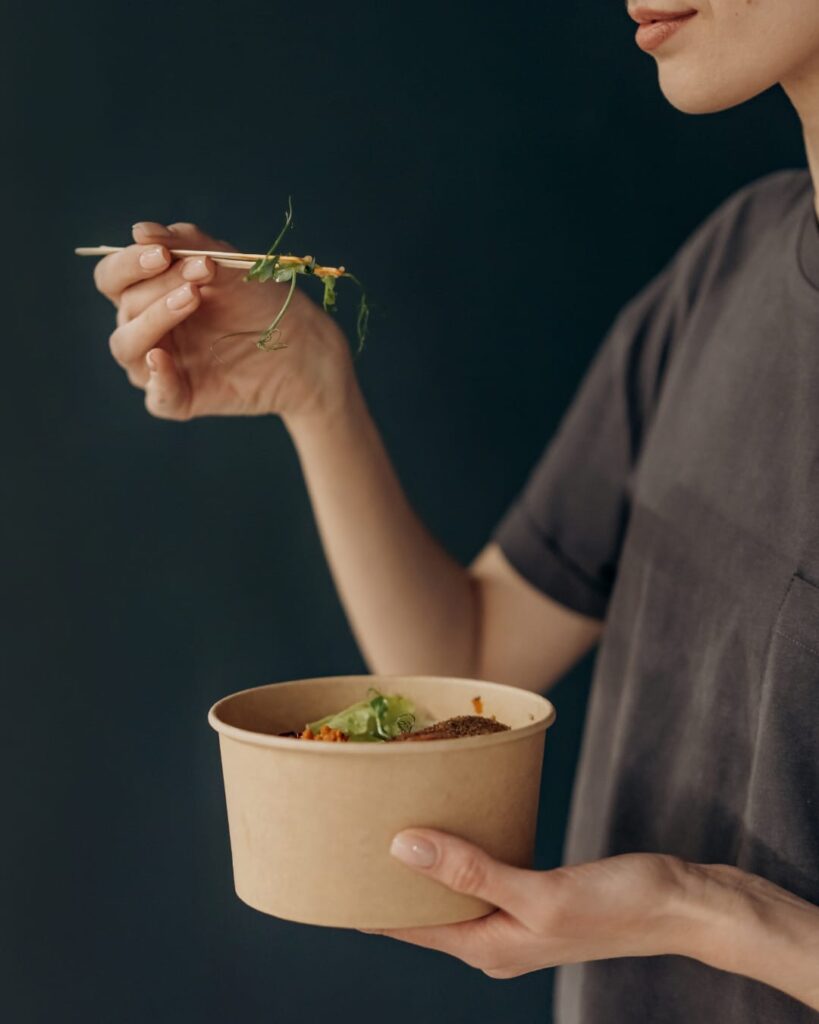
In a fast, plant-based world filled with smoothies on the go, rushed lunches, and meals eaten while scrolling, the slow plate feels almost rebellious. Yet this simple practice may be one of the most powerful tools for digestion, nervous system regulation, and sustainable wellness.
The slow plate is not a diet. It is not about perfection. It is about how you eat, not just what you eat.
And your body has been waiting for it.
What Is the Slow Plate?
The slow plate is the practice of eating with presence, rhythm, and respect for digestion. Rooted in Ayurvedic wisdom and supported by modern gut and nervous system research, it invites you to:
Sit down to eat
Chew thoroughly
Eat without rushing
Allow your body to feel safe enough to digest
When you eat slowly, your body switches from stress mode into rest-and-digest mode. This is where nourishment actually happens.
Why Eating Slowly Improves Digestion
Digestion does not begin in the stomach. It begins in the mouth.
When you chew slowly:
Digestive enzymes activate properly
The gut receives clearer signals
Bloating and discomfort reduce
Nutrient absorption improves
From an Ayurvedic perspective, slow eating strengthens Agni, the digestive fire. When Agni is steady, the body feels lighter, clearer, and more balanced.
Fast eating weakens digestion. Slow eating builds it back.
The Nervous System Needs the Slow Plate
Many digestive issues are not food problems. They are nervous system problems.
Eating in a rush, while standing, driving, or multitasking keeps the body in a mild stress response. In this state, digestion becomes secondary.
The slow plate gently tells your body: “You are safe.” “There is time.” “You can receive nourishment now.”
This is especially important for:
Women experiencing burnout or hormonal shifts
People living with chronic stress
Anyone feeling overwhelmed by food choices
The Slow Plate and Plant-Based Living
Plant-based eating is deeply healing, but when done in a rushed or restrictive way, it can feel exhausting.
The slow plate makes plant-based living sustainable.
It helps you:
Feel more satisfied with simple meals
Reduce cravings caused by under-eating or rushing
Reconnect with hunger and fullness cues
Enjoy food without guilt or noise
You do not need more superfoods. You need more presence.
How to Practice the Slow Plate (Without Overwhelm)
You don’t need rules. You need gentle anchors.
Try this:
Eat at least one meal a day without distractions
Put your cutlery down between bites
Chew until food feels soft
Breathe before your first bite
Stop eating when you feel comfortably full
Even one slow meal a day can change how your body responds to food.
The Slow Plate Is Nervous System Care
At Halfanjas, we believe food is not just fuel. It is communication.
The slow plate teaches your body trust. Trust that food will come again. Trust that you don’t need to rush. Trust that nourishment is allowed.
In a culture obsessed with speed, the slow plate is an act of deep self-respect.
Eat warm. Eat simply. Eat slowly.
Your body will do the rest.
Leave a Reply