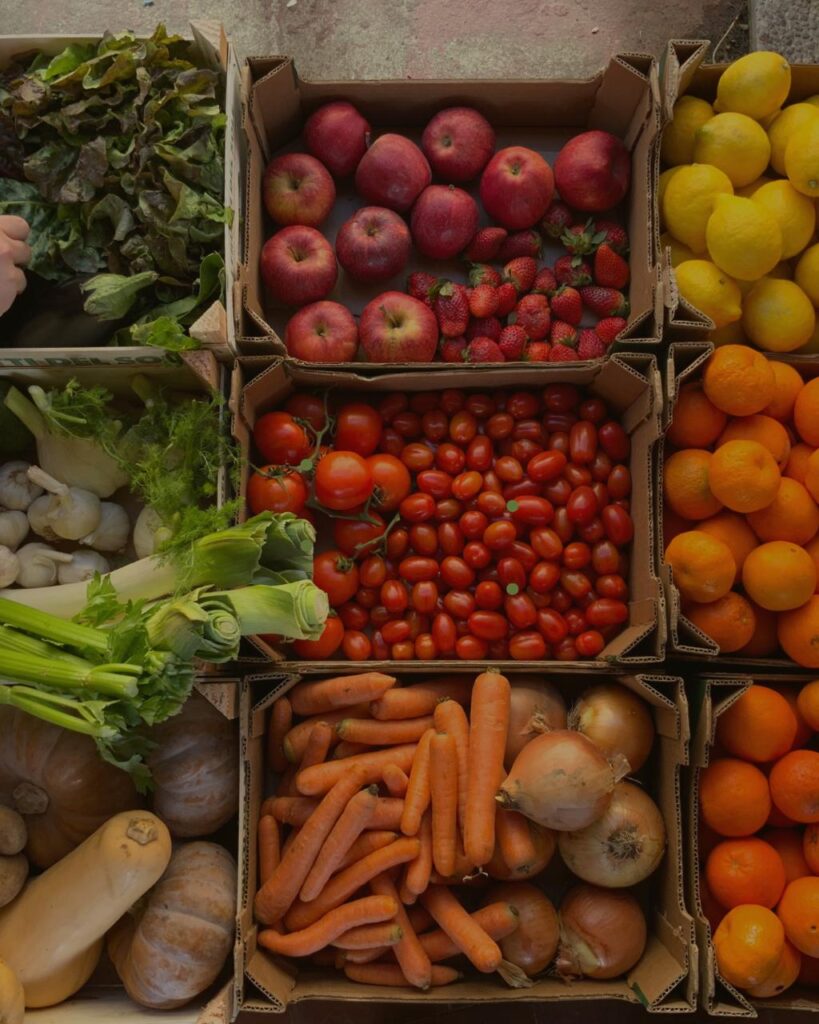
A plant-based approach for busy, sensitive, real-life bodies
In a world that celebrates hustle, optimisation, and doing more, nourishment has quietly become another performance. More recipes. More supplements. More rules. More effort.
But what if true nourishment asked for less?
Minimum effort, maximum nourishment is not about cutting corners. It’s about removing friction. It’s about feeding yourself in a way that supports your nervous system, digestion, hormones, and energy without demanding perfection.
At Halfanjas, we believe nourishment should restore, not exhaust.
When effort becomes the enemy of nourishment
Many people who choose a plant-based lifestyle do so with the intention of feeling better. Yet somewhere along the way, eating can become complicated and stressful:
Overthinking meals
Chasing “perfect” macros
Feeling guilty for simple foods
Skipping meals because cooking feels overwhelming
From an Ayurvedic perspective, food that is eaten under stress loses much of its nourishing quality. The body does not absorb nutrients well when the nervous system is rushed or tense.
Effort is not the same as care.
Sometimes the most nourishing thing you can do is simplify.
What minimum effort nourishment really means
Minimum effort nourishment is not lazy. It is intentional simplicity.
It looks like:
Repeating meals that your body already digests well
Choosing warm, grounding plant-based foods over cold, complicated ones
Cooking once and eating calmly many times
Letting go of variety as a virtue
In Ayurveda, nourishment comes from rhythm, warmth, and regularity. A simple lentil stew eaten peacefully can be more nourishing than an elaborate superfood bowl eaten in a rush.
Plant-based eating without burnout
A plant-based lifestyle should support energy, not drain it.
To create maximum nourishment with minimum effort, focus on these foundations:
- Warmth over raw
Warm plant-based meals support digestion, especially for busy, hormone-sensitive bodies. Soups, stews, porridges, and one-pot meals are deeply nourishing and easier to digest. - Fewer ingredients, better absorption
Meals with 5–7 whole food ingredients are often easier on the digestive system than complex recipes with long ingredient lists.
Think:
Lentils + vegetables + spices
Rice + beans + ghee or olive oil
Oats + seeds + stewed fruit - Repetition builds stability
Eating similar meals for breakfast or lunch reduces decision fatigue and supports digestive fire. Nourishment thrives on predictability.
Nervous system nourishment is real nourishment
Food is not only nutrients. It is information.
When meals feel easy, familiar, and safe, the nervous system relaxes. This allows the body to digest, absorb, and rebuild.
Minimum effort nourishment supports:
Reduced stress around food
Improved digestion
More stable energy levels
Better hormone balance
A kinder relationship with eating
This is especially important for women in perimenopause, burnout, or recovery phases.
Sustainable eating starts with sustainability for you
A sustainable plant-based lifestyle is not just about the planet. It must also be sustainable for your energy, time, and emotional capacity.
Ask yourself:
Can I eat this way on a tired Tuesday?
Does this support me when life is busy?
Does this feel kind or demanding?
If a way of eating requires constant effort, it will not last. Nourishment that lasts is nourishment that fits real life.
The Halfanjas philosophy
At Halfanjas, we believe that:
Simple food can be deeply nourishing
Less effort can bring more balance
Gentle structure creates freedom
You do not need to earn your nourishment
Minimum effort, maximum nourishment is a return to trust. Trust in your body. Trust in simple food. Trust that wellness does not need to be hard.
Final thoughts
You don’t need more recipes. You don’t need more rules. You don’t need to try harder.
You need food that meets you where you are.
Let nourishment be supportive, not another task on your list. 🌿
Leave a Reply