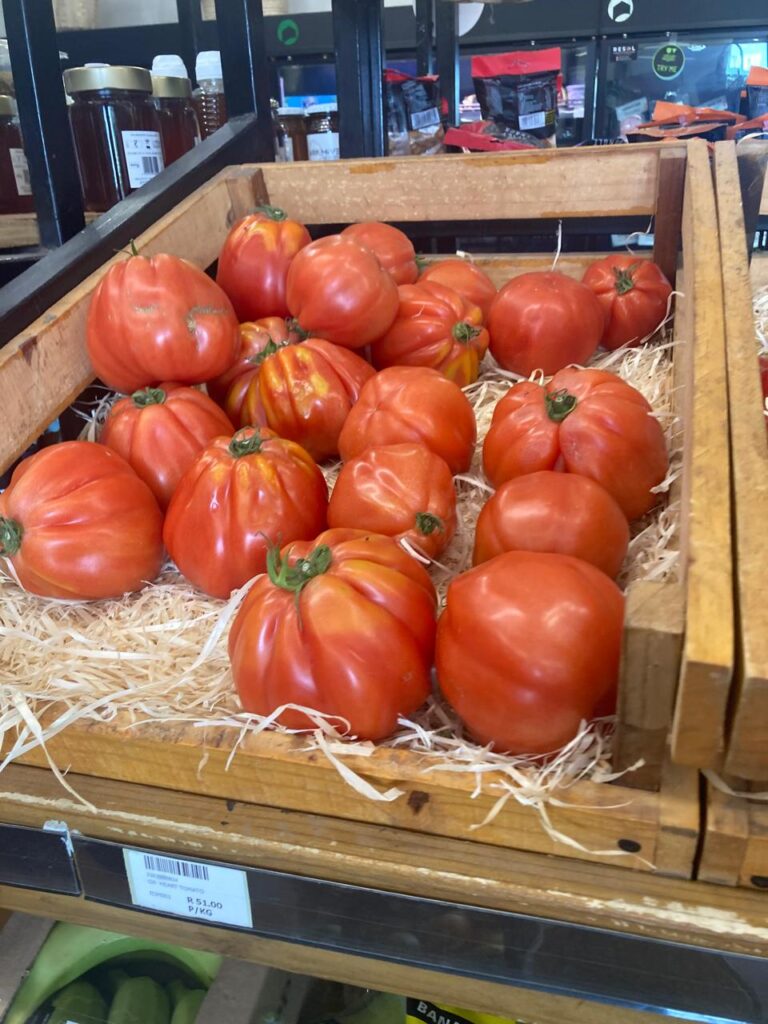
Raw food has been praised as clean, vibrant, and full of life. Smoothies, salads, raw desserts, and cold-pressed juices often appear as symbols of health and discipline. But for many people, especially in times of stress, hormonal change, or digestive sensitivity, raw food can quietly become too much.
If raw eating leaves you feeling bloated, cold, anxious, tired, or constantly hungry, it is not a failure of willpower. It is a signal. And it deserves listening.
At Halfanjas, we believe nourishment should feel grounding, supportive, and sustainable, not extreme or exhausting.
Why Raw Food Can Feel Overwhelming
From an Ayurvedic and nervous system perspective, digestion thrives on warmth, rhythm, and simplicity. Raw food is naturally cold, dry, and rough in texture. For some bodies, especially sensitive or stressed ones, this can overload digestion instead of supporting it.
Common signs that raw food may be too much include:
Bloating or gas after meals
Feeling cold even in warm weather
Low energy or afternoon crashes
Increased anxiety or restlessness
Cravings for bread, sugar, or warm foods
These signs are especially common for women in perimenopause, people under chronic stress, or anyone with a sensitive gut.
Digestion Is Not a Machine
Modern wellness often treats digestion like a calculator. Add nutrients in. Subtract toxins out. But digestion is alive. It responds to temperature, texture, timing, emotions, and pace.
Raw food requires more digestive effort. When your digestive fire is already low, due to stress, burnout, lack of sleep, or hormonal shifts, raw meals can feel like too much work for the body.
This is why many people feel better when they add warmth back into their meals.
Warm Food as Nervous System Support
Warm, cooked food does more than nourish the body. It signals safety to the nervous system.
Soups, stews, lightly cooked vegetables, grains, and legumes are easier to digest and more grounding. They help regulate blood sugar, calm the gut, and reduce the constant push for stimulation.
This does not mean raw food is bad. It simply means it is not always appropriate.
You Do Not Need to Be All or Nothing
Health does not live in extremes. You do not need to quit raw food completely or force yourself to eat cold meals year-round.
A balanced, sustainable approach might look like:
Cooked meals as your foundation
Raw foods added gently, not excessively
Warm breakfasts instead of cold smoothies
Steamed vegetables instead of large raw salads
Seasonal eating that respects climate and energy levels
This approach supports digestion, hormone balance, and long-term wellness.
Plant-Based Does Not Mean Cold
A plant-based lifestyle can be deeply nourishing without relying heavily on raw food. Cooked plant foods are still rich in nutrients, fiber, and life force. In fact, cooking can increase the bioavailability of certain nutrients and make food more digestible.
Eating plants does not need to feel like punishment or performance. It can feel like comfort.
Listening Is the Real Wellness Practice
If raw food feels like too much, trust that message. Your body is not asking for discipline. It is asking for care.
True health is not about eating the most impressive plate. It is about eating in a way that supports digestion, calms the nervous system, and fits into real life.
At Halfanjas, we believe in food that grounds you, not food that asks you to push harder.
Sometimes the most healing choice is a warm bowl, eaten slowly, with no rules attached.
Leave a Reply