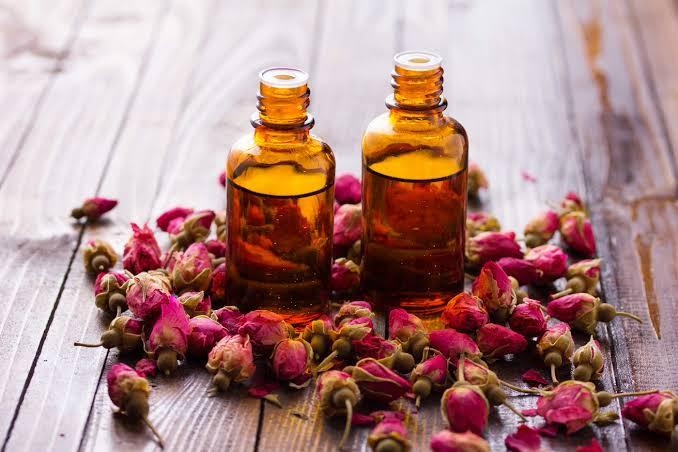
Castor oil, derived from the seeds of the Ricinus communis plant, has been used for centuries across cultures as a healing and cleansing remedy. In Ayurveda, it is known as Eranda Taila and is regarded as a powerful oil with detoxifying, lubricating, and rejuvenating properties. Whether applied externally or consumed in small, guided amounts, castor oil supports wellness from head to toe.
What is Castor Oil?
Castor oil is a thick, pale yellow oil extracted from castor beans. Its primary component, ricinoleic acid, gives it unique medicinal properties. Unlike most plant oils, it penetrates deeply into tissues, making it a favorite in traditional medicine for cleansing, anti-inflammatory, and moisturizing effects.
Uses of Castor Oil
- Digestive Health
Acts as a natural laxative to relieve occasional constipation.
Stimulates the intestines, helping remove toxins and undigested waste.
Traditionally used in Ayurvedic Panchakarma cleansing therapies.
- Joint and Muscle Relief
Applied as warm compresses to reduce stiffness and pain in arthritis.
Castor oil packs are often placed on inflamed or sore areas to draw out ama (toxins).
- Skin Care
Deeply moisturizes dry skin, cracked heels, and chapped lips.
Reduces acne-causing bacteria thanks to its antimicrobial action.
Soothes skin irritations and minor wounds.
- Hair and Scalp Nourishment
Stimulates hair growth by increasing circulation to the scalp.
Strengthens hair roots and prevents breakage.
Hydrates dry scalp and helps reduce dandruff.
- Women’s Health
Castor oil packs are often used to relieve menstrual cramps.
Supports lymphatic drainage and circulation in the pelvic region.
Ayurvedic Perspective and Dosha Effects
In Ayurveda, castor oil is considered hot, heavy, and penetrating. Its actions vary depending on the dosha imbalance:
Vata Dosha – Castor oil is highly beneficial. It lubricates dry tissues, eases constipation, relieves joint pain, and calms nervous system restlessness.
Pitta Dosha – Helpful in small amounts, especially for inflammatory conditions, liver cleansing, and skin eruptions. However, excess may aggravate heat in the body.
Kapha Dosha – Supports detoxification and clears congestion. Its strong laxative effect helps eliminate excess mucus and sluggish digestion.
Benefits of Castor Oil
Natural detoxifier for colon and liver.
Relieves constipation and promotes regular bowel movements.
Reduces inflammation and joint pain.
Strengthens immunity by enhancing lymphatic drainage.
Promotes healthy, glowing skin and nourished hair.
Useful in menstrual health and hormonal balance.
Side Effects and Precautions
While castor oil has many benefits, it must be used mindfully:
Internal use should be under professional guidance. Overuse may lead to diarrhea, dehydration, abdominal cramps, or nausea.
Not recommended for pregnant women unless prescribed, as it can stimulate uterine contractions.
People with IBS, ulcers, or chronic digestive weakness should avoid internal use.
Always patch test before applying on sensitive skin.
How to Use Castor Oil
- For Constipation: Take 1 teaspoon with warm water or ginger tea, but only occasionally and under guidance.
- For Joint Pain: Warm castor oil and massage onto affected areas, followed by a hot compress.
- For Skin: Apply directly as a moisturizer or mix with lighter oils like almond or coconut.
- For Hair: Massage into scalp, leave for 30–60 minutes, then wash with a mild shampoo.
- Castor Oil Pack: Soak a cloth in warm castor oil, place over the abdomen or sore area, cover with plastic, and apply gentle heat for 20–30 minutes.
Final Thoughts
Castor oil is more than a home remedy—it is a time-tested Ayurvedic treasure that cleanses, nourishes, and restores balance to the body. When used wisely, it can be a gentle yet powerful tool for supporting digestion, relieving pain, enhancing beauty, and improving overall vitality.
Like all potent natural remedies, it works best when guided by Ayurvedic principles and tailored to your dosha needs.
Leave a Reply