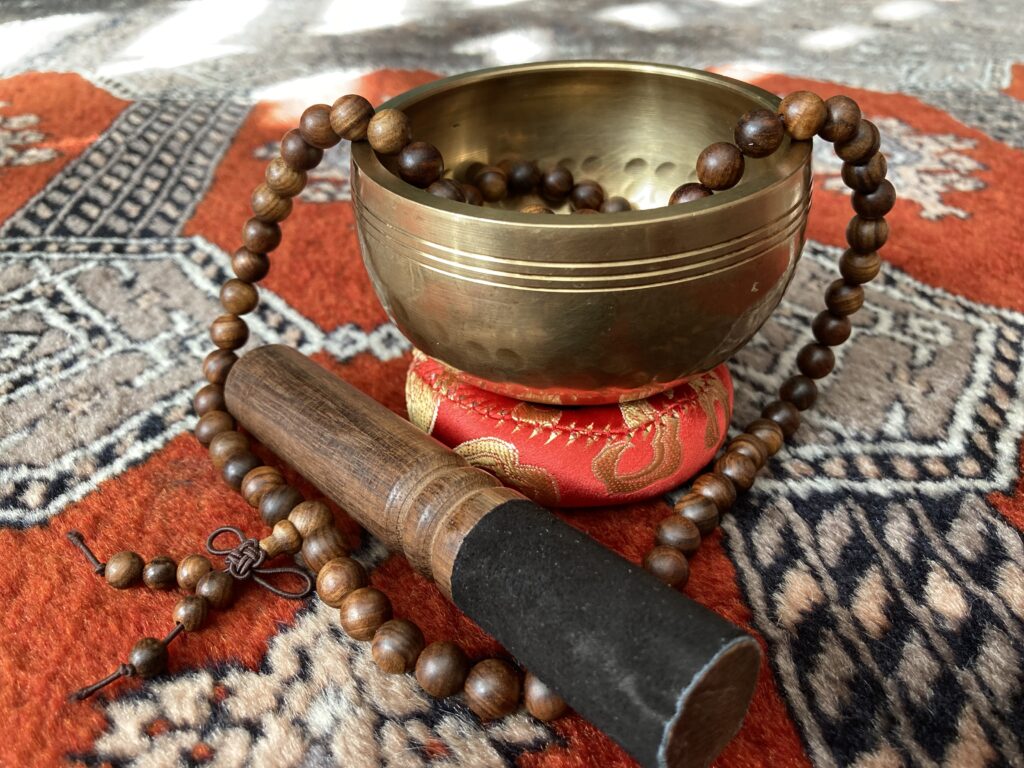
In today’s fast-paced world, the search for natural, non-invasive healing modalities has never been more relevant. Among these, sound healing is gaining widespread attention for its ability to restore harmony, reduce stress, and support overall wellness—physically, emotionally, and spiritually. But what exactly is sound healing, and how does it work?
Let’s explore the ancient roots, modern applications, and how you can incorporate sound healing into your holistic lifestyle.
✦ What Is Sound Healing?
Sound healing, also known as sound therapy or vibrational medicine, is the use of specific sounds, frequencies, and vibrations to bring the body, mind, and spirit back into balance. This can include the use of instruments like:
- Tibetan singing bowls
- Crystal bowls
- Tuning forks
- Gongs
- Drums
- Chanting, mantras, and vocal toning
Everything in the universe—including your body—is made of energy vibrating at different frequencies. When these frequencies are out of sync, whether due to stress, illness, or emotional trauma, sound can help realign and “retune” them.
✦ Ancient Roots of Sound Healing
Sound as a healing tool is nothing new. It has been used in:
- Ayurveda: Mantras like OM are considered healing vibrations, affecting both the body and the subtle energy channels (nadis).
- Traditional Chinese Medicine: Sounds correspond with the five elements and organs.
- Shamanic cultures: Drumming and chanting are used to enter altered states and heal the energetic body.
- Ancient Greece and Egypt: Temples were built with acoustics in mind for therapeutic chanting and harmonic resonance.
Sound, in many ancient systems, was seen as sacred and directly linked to the creation of life itself.
✦ How Does Sound Healing Work?
Here’s how sound supports healing:
- Frequency & Resonance
Each part of your body resonates at its own natural frequency. Sound healing restores these frequencies to their balanced state. - Brainwave Entrainment
Instruments like singing bowls can entrain brainwaves, shifting you from a stressed beta state to a deeply relaxed alpha or theta state—where healing and inner connection occur. - Nervous System Regulation
Soothing sound calms the vagus nerve, promoting rest, digestion, and emotional regulation. - Energy Flow
Sound helps remove energetic blockages in the chakras and meridians, increasing vitality and clarity.
✦ Benefits of Sound Healing
Many people report feeling a shift even after just one session. Common benefits include:
- Reduced stress and anxiety
- Deeper sleep and relaxation
- Improved focus and clarity
- Emotional release and trauma healing
- Increased energy and motivation
- Enhanced meditation and spiritual connection
- Lowered blood pressure and improved heart rate variability
- Pain and tension relief
While more scientific research is ongoing, initial studies support sound’s ability to reduce cortisol and promote parasympathetic activity.
✦ Common Sound Healing Tools
| Tool | Purpose |
| Tibetan Bowls | Rich, grounding tones used to clear chakras and relax the mind |
| Crystal Bowls | Higher-pitched, pure frequencies often used for emotional balance |
| Tuning Forks | Applied to specific points or energy centers to reset cellular vibration |
| Gongs | Immersive, powerful soundscapes that induce deep release |
| Voice/Chanting | Personalized vibration for healing the emotional and spiritual body |
What to Expect in a Sound Healing Session
A session typically lasts 30 to 90 minutes and may be done one-on-one or in a group. You’ll lie down fully clothed, often with props or blankets, while the practitioner plays various instruments around and sometimes directly over the body.
You may feel physical vibrations, tingling, heat, or waves of emotion. It’s normal to fall into a meditative or dream-like state—this is the body’s natural healing mode.
✦ Can You Practice Sound Healing at Home?
Absolutely. You don’t need to be an expert to benefit. Try:
- Listening to healing frequencies (e.g., 432Hz, 528Hz) on headphones
- Chanting OM or other mantras for a few minutes daily
- Using a singing bowl during meditation or yoga
- Playing calming nature or drum sounds before sleep
Consistency matters more than duration—just five minutes a day can shift your frequency.
✦ Ayurveda and Sound Healing
In Ayurveda, nada yoga (the yoga of sound) is one of the subtle healing therapies. Each dosha resonates differently with sound:
- Vata: Benefits from deep, grounding tones and slow rhythms
- Pitta: Cools with soft, flowing sounds and gentle melodies
- Kapha: Stimulated by vibrant, upbeat rhythms to uplift energy
You can tailor your sound healing to suit your current dosha imbalance, mood, or intention.
✦ Final Thoughts
Sound healing is more than a relaxing trend—it’s an ancient practice backed by both spiritual insight and emerging science. Whether you explore it in a sound bath, integrate it into your yoga or meditation practice, or simply enjoy healing music in your day, it has the power to gently guide you back to your natural rhythm.
In a world full of noise, intentional sound offers a path to deep inner silence—and from that silence, healing begins.
Leave a Reply