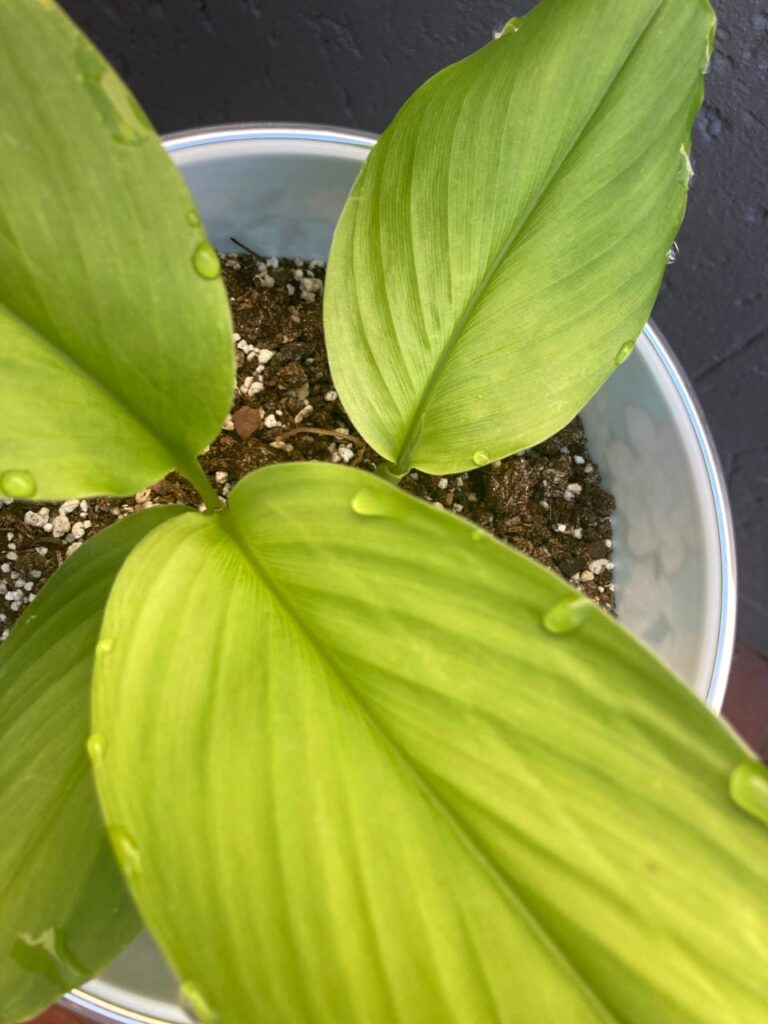
Turmeric is a powerhouse spice with incredible health benefits, especially in Ayurveda. Its active compound, curcumin, is known for its anti-inflammatory, antioxidant, and healing properties. Here’s why it’s so good for you and how to incorporate it into your lifestyle.
Health Benefits of Turmeric
- Powerful Anti-Inflammatory – Helps reduce chronic inflammation, which is linked to many diseases like arthritis, heart disease, and autoimmune conditions.
- Rich in Antioxidants – Fights free radicals and supports skin health, reducing premature aging.
- Boosts Immunity – Enhances the body’s natural defense mechanisms.
- Supports Digestion – Aids gut health, reduces bloating, and stimulates bile production for better digestion.
- Balances Blood Sugar – Helps regulate blood sugar levels, beneficial for people managing insulin resistance.
- Good for the Brain – May enhance cognitive function and lower the risk of neurodegenerative diseases.
- Detoxifies the Liver – Supports liver function and helps the body eliminate toxins.
- Promotes Healthy Joints – Reduces joint pain and stiffness, making it beneficial for arthritis.
How to Use Turmeric in Daily Life
Golden Milk – Warm plant-based milk with turmeric, black pepper, ginger, and cinnamon for a soothing drink.
Turmeric Tea – Steep fresh or powdered turmeric with lemon and honey.
Cooking – Add it to curries, soups, stews, and stir-fries.
Smoothies – Blend with fruits, greens, and plant-based milk for an extra boost.
Turmeric Paste – Mix turmeric with coconut oil and black pepper for a ready-to-use paste.
Face Mask – Mix turmeric with vegan yogurt or aloe vera for glowing skin.
Supplement Form – If using as a supplement, choose high-quality curcumin capsules with black pepper for better absorption.
Important Tips
Always pair turmeric with black pepper – Piperine in black pepper enhances curcumin absorption by up to 2000%!
Use with healthy fats – Curcumin is fat-soluble, so combining it with coconut or olive oil helps absorption.
Start small – Too much can cause digestive discomfort; ¼ to ½ teaspoon daily is a good start.
Leave a Reply