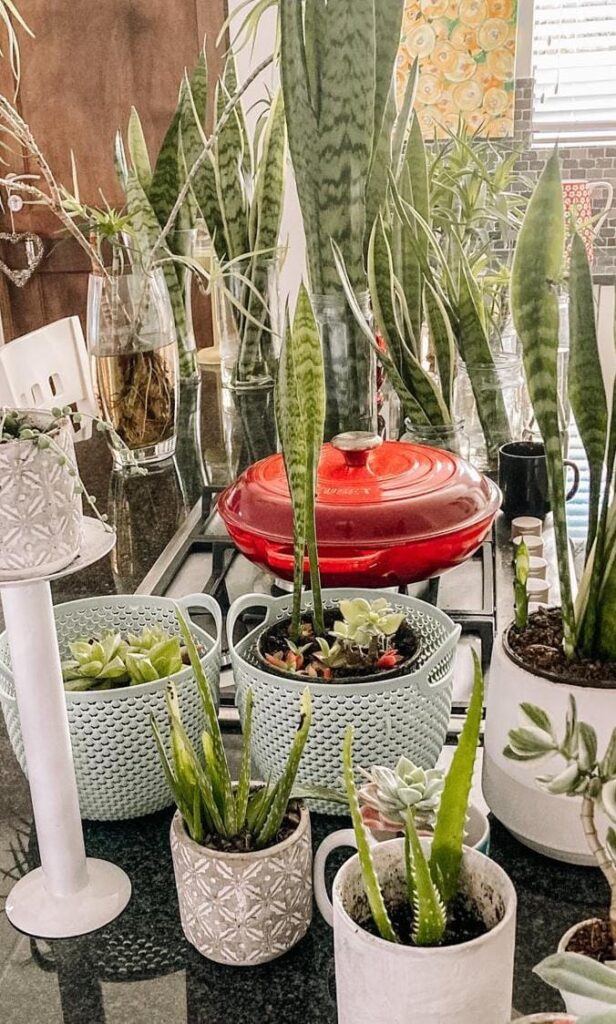
Indoor plants are not just for decoration—they can play a crucial role in improving your home’s air quality. NASA’s Clean Air Study, which was conducted in the 1980s, highlighted the amazing ability of certain plants to filter out harmful chemicals like benzene, formaldehyde, and trichloroethylene. By bringing these natural air purifiers into your home, you can reduce toxins and boost both air quality and your well-being.
In this article, we’ll guide you through the best plants to remove toxins, the ideal rooms for them, which ones help with sleep, and which plants to avoid.
- Best Plants for Removing Toxins from Your House
Several plants have been proven to absorb harmful toxins from the air and provide a cleaner environment. Here are some of the best:
Spider Plant (Chlorophytum comosum)
The spider plant is a powerful air purifier that filters out formaldehyde, benzene, and xylene. It’s also incredibly easy to care for, thriving in indirect light and requiring minimal attention. Its arching green leaves with white stripes make it a popular choice for hanging baskets or pots.
Peace Lily (Spathiphyllum)
Peace lilies are not only beautiful but also highly effective at removing airborne toxins, including ammonia, benzene, formaldehyde, and trichloroethylene. They thrive in low light and high humidity, making them perfect for bathrooms or kitchens. Just be aware, peace lilies can be toxic to pets if ingested.
English Ivy (Hedera helix)
English Ivy is especially effective at filtering out formaldehyde and benzene, and it can even help reduce mold in your home. This versatile vine does well in both low and moderate light, and it’s a great option for hanging baskets or trellises.
Aloe Vera (Aloe barbadensis miller)
While known for its soothing properties for burns, aloe vera is also great for cleaning the air. It absorbs formaldehyde and benzene and is easy to care for in bright, indirect light. Aloe vera also has the added benefit of being a natural remedy for minor cuts and burns.
Boston Fern (Nephrolepis exaltata)
Boston ferns are excellent for removing formaldehyde from the air and thrive in humid conditions. They’re best placed in bathrooms or kitchens, as they prefer high humidity and indirect light.
- Best Plants for Specific Rooms
Different rooms in your house have unique environmental conditions, so it’s important to choose plants that thrive in each space.
Living Room
The living room often sees a lot of activity and varying light conditions, making it ideal for low-maintenance plants that purify the air. Snake plants (Sansevieria), also known as mother-in-law’s tongue, are great in living rooms due to their ability to tolerate low light and their air-purifying qualities. They absorb toxins like formaldehyde and benzene.
Bedroom
Your bedroom is the space where you relax and recharge, and certain plants can help promote better sleep. Lavender is known for its calming properties, reducing stress and promoting a peaceful sleep. Another great option for the bedroom is the snake plant, which can also improve air quality by releasing oxygen at night.
Kitchen
The kitchen often contains a lot of chemical cleaners and other toxins. Spider plants and peace lilies are fantastic for kitchens due to their ability to filter out toxins like benzene and formaldehyde. They also thrive in the warm, humid environment of a kitchen.
Bathroom
The bathroom is typically a humid space, making it ideal for moisture-loving plants. Boston ferns and peace lilies thrive here, helping to clean the air and tolerate the higher humidity levels.
- Plants That Help with Sleep
Plants can also be a natural way to improve sleep quality. Some plants help purify the air, while others emit calming scents to help you unwind before bedtime.
Lavender
Lavender is widely known for its calming and sleep-inducing properties. Its soothing aroma can lower heart rate and blood pressure, making it the perfect plant for the bedroom to enhance relaxation.
Jasmine
Like lavender, jasmine is famous for its soothing effects. Studies have shown that the scent of jasmine can improve sleep quality and make you feel more relaxed and comfortable.
Aloe Vera
Aloe vera doesn’t just purify the air—it also releases oxygen at night, which helps create a restful environment conducive to better sleep. It’s perfect for placing by your bedside.
- Plants to Avoid
While many plants are great for improving air quality, some can be harmful to pets or may require more care than you’re ready to commit to. Here are a few plants you might want to avoid:
Dieffenbachia (Dumb Cane)
While it’s an attractive plant, Dieffenbachia is highly toxic to pets and can cause severe oral irritation if chewed. If you have pets in the house, it’s best to steer clear of this one.
Oleander
Oleander is a beautiful but highly toxic plant, especially if ingested. All parts of the plant are poisonous and can cause serious health issues, even death, in pets and humans. Keep it away from living areas, especially if you have children or pets.
English Ivy (Hedera helix) for Pets
While English Ivy is a great air purifier, it can be toxic to pets. If you have dogs or cats who are prone to chewing on plants, it’s best to keep this plant out of reach or opt for a safer option.
Peace Lily (Spathiphyllum)
While Peace Lilies are excellent air purifiers, they can be toxic to pets, causing symptoms like drooling, vomiting, and difficulty swallowing if ingested.
Conclusion
By selecting the right plants for your home, you can create a healthier, more inviting environment while removing harmful toxins from the air. Whether you’re aiming to purify the air in your kitchen, improve sleep in your bedroom, or add a touch of greenery to your living room, there are plenty of options to choose from. Just be mindful of plants that may be harmful to pets, and always do a little research before bringing a new plant into your home. Happy planting!
Leave a Reply