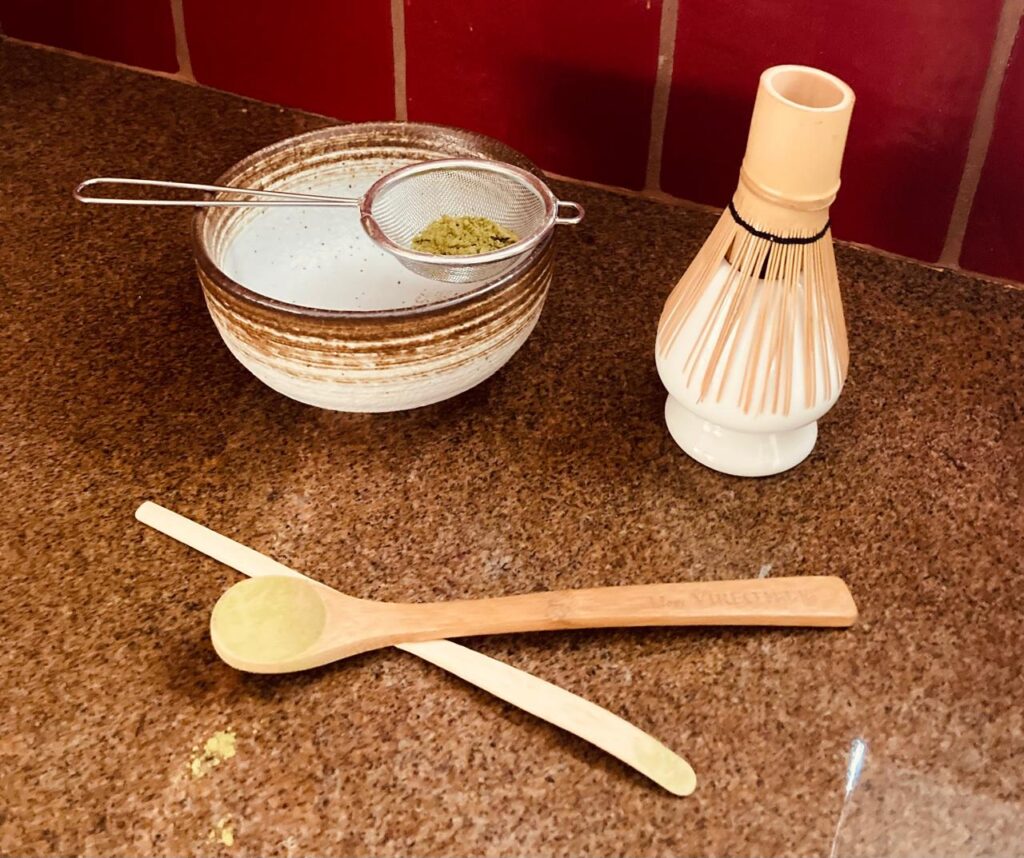
Matcha: The Green Elixir
I love matcha. I love tea ceremonies and if you are ever in Japan (especially Kyoto) it is a must. Matcha, Mochi, Ghibli and Wagashi are things I enjoy daily.
Matcha has gained popularity in recent years, celebrated for its vibrant color and numerous health benefits. This powdered green tea has a rich history and offers a unique experience for tea enthusiasts and newcomers alike. Here’s a comprehensive guide to matcha, covering its types, processing methods, benefits, optimal consumption times, and preparation.
What is Matcha?
Matcha is a finely ground powder made from shade-grown green tea leaves. Unlike traditional green tea, where the leaves are steeped and then discarded, matcha involves consuming the whole leaf, leading to a more concentrated flavor and nutritional profile. Originating from Japan, matcha is a staple in Japanese tea ceremonies and has become a beloved beverage worldwide.
Types of Matcha
- Ceremonial Grade: This is the highest quality matcha, used in traditional tea ceremonies. It has a bright green color and a delicate, sweet flavor, making it ideal for drinking straight.
- Culinary Grade: Slightly lower in quality than ceremonial grade, this matcha is used for cooking and baking. It’s more robust and can be incorporated into lattes, smoothies, and desserts.
- Premium Grade: This falls between ceremonial and culinary grades, suitable for both drinking and culinary uses. It offers a good balance of flavor and quality.
The Process of Making Matcha
The production of matcha is a meticulous process:
- Growing: Matcha is made from Tencha leaves, which are shaded for about three weeks before harvest. This shading enhances the chlorophyll content, giving matcha its vibrant green hue.
- Harvesting: Only the top leaves are picked, ensuring the highest quality.
- Steaming: The leaves are quickly steamed to prevent oxidation, preserving their bright color and nutrients.
- Drying: After steaming, the leaves are dried and then deveined and destemmed.
- Grinding: The dried leaves are ground into a fine powder using traditional stone mills, resulting in the smooth texture characteristic of high-quality matcha.
Benefits of Matcha
Matcha is revered for its numerous health benefits, including:
Rich in Antioxidants: Matcha is packed with catechins, particularly EGCG, which can help fight free radicals in the body.
Boosts Metabolism: Studies suggest that matcha may enhance metabolic rates and aid in weight management.
Enhances Focus and Calmness: Matcha contains L-theanine, an amino acid that promotes relaxation while improving focus, making it ideal for studying or working.
Supports Heart Health: Regular consumption may lower cholesterol levels and improve heart health.
Detoxifying Properties: The chlorophyll in matcha acts as a natural detoxifier, helping to cleanse the body of harmful substances.
Best Time to Drink Matcha
Matcha can be enjoyed at various times throughout the day:
Morning: Kickstart your day with a matcha latte for a gentle caffeine boost without the jitters associated with coffee.
Afternoon: A mid-afternoon cup can provide a refreshing pick-me-up and enhance focus during work or study sessions.
Pre-Workout: Consuming matcha before exercising can boost energy and endurance, thanks to its unique blend of caffeine and antioxidants.
How to Make Matcha
Making matcha is simple and rewarding. Here’s a basic recipe:
Ingredients
1-2 teaspoons of matcha powder
60 ml of hot water (not boiling, around 80°C)
Sweetener (optional, I use agave)
Milk of choice ( I prefer Almond milk)
Optional: a bit of rose water(♥️)
Instructions
- Sift the Matcha: Sifting the matcha powder helps prevent clumping and ensures a smooth drink.
- Add Water: Pour hot water over the sifted matcha powder in a bowl.
- Whisk: Use a bamboo whisk (chasen) or a frother to whisk the matcha vigorously in a zig-zag motion until frothy. Aim for a smooth, bubbly consistency.
- Sweeten: If desired, add sweetener to taste.
- Serve: For a matcha latte, heat your milk and combine it with the whisked matcha. Enjoy!
Conclusion
Matcha is more than just a trendy beverage; it’s a nourishing drink with deep cultural roots and a plethora of health benefits. Whether you’re savoring a traditional cup or experimenting with recipes, incorporating matcha into your routine can enhance your overall wellness. Embrace this green elixir and enjoy the journey it brings to your palate and health!
Leave a Reply